100 Brick Wall Backgrounds Pack: A Designer's Toolkit
Every creative project needs a solid foundation. Sometimes that foundation is literal—a background that grounds your subject, adds texture, or establishes a mood. The 100 Brick Wall Backgrounds Pack is exactly that kind of foundational asset. It's a comprehensive collection of high-resolution brick wall textures, offering a surprising range of visual possibilities from clean and modern to gritty and aged.
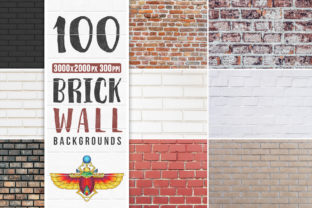
This isn't just a single red brick wall repeated 100 times. The bundle includes a curated mix: crisp white brick walls for a minimalist, airy feel; dramatic black brick walls for depth and contrast; and a versatile brick wall mix featuring aged, grunge textures and various brick sizes for authentic character. You also get a special collection of colored brick walls—reds, oranges, pinks, blues, yellows, and greens—for projects that demand a bold, vibrant statement. Each image is a substantial 3000x2000 pixels at 300ppi, making them suitable for both digital screens and high-quality print.
Where Texture Transforms Your Work
The real value of a resource like the 100 Brick Wall Backgrounds Pack lies in its practical application. Think of it as a versatile design asset rather than just a background. For web design, a subtle white brick texture can replace a sterile flat color, adding warmth and a tactile quality to a homepage or blog section. A grungy, aged brick wall instantly gives a website for a brewery, café, or urban apparel brand an authentic, established feel.
In social media graphics and marketing materials, these backgrounds are workhorses. They provide a perfect canvas for logo design presentations, making logos pop against a textured surface. They're ideal for creating mockups of posters, signage, or apparel. Place a neon sign graphic over a dark brick wall for an instant nightlife vibe. Use a colored brick wall to make a quote graphic stand out in a crowded feed. For packaging design, a brick texture can suggest durability, heritage, or an artisanal, handmade quality.
For photo manipulations and editorial design, the pack is invaluable. Use the textures as overlays to add grit, age, or a vintage effect to portraits and product shots. In 3D modeling, they serve as realistic surface materials for architectural visualizations or game environments. The consistent high resolution across the entire pack ensures your projects look professional, whether viewed on a phone screen or printed as a large-format banner.
Making the Right Choice for Your Project
Choosing the right background from the 100 Brick Wall Backgrounds Pack is a practical design decision. Start by considering your project's brand identity and mood. A clean, white brick wall aligns with modern, Scandinavian, or minimalist aesthetics. An aged, grungy wall conveys history, ruggedness, or an industrial edge. The colored walls are for moments when you need to inject energy or match a specific brand palette.
Always test how your primary content interacts with the texture. A busy brick wall can compete with intricate typography or detailed illustrations. In such cases, a more uniform brick pattern or using the texture at a lower opacity might work better. Consider font pairing with your background; a bold sans serif font often holds its own against a textured surface, while a delicate script font might get lost. The key is visual hierarchy—the background should support, not overwhelm, your main message.
From a practical standpoint, the pack's commercial license is a significant advantage. It allows you to use these assets in client work, products for sale, and commercial projects without hidden fees. This makes it a cost-effective component of a professional designer's toolkit. The sheer variety means you're likely to find a match for multiple projects, ensuring consistency across a brand's various touchpoints—from their website to their social media to their printed materials.
Ultimately, the 100 Brick Wall Backgrounds Pack offers more than just images; it offers creative flexibility. It’s a solution for adding depth, personality, and context to digital and physical designs. By understanding the visual language of each texture type and applying it thoughtfully, you can elevate your work from flat and forgettable to textured and engaging. It’s a practical resource that respects the time and effort required to source and prepare high-quality visual assets, letting you focus on the creative work that matters.